.png)
Business Networking & Member Engagement Platform
A connected digital platform that helps professionals discover relevant members, build trusted relationships, exchange referrals and participate in an active business community.
About a Project
The client wanted to modernize the way professionals discover one another, exchange referrals and participate in business communities. We built a connected networking platform that brings member profiles, discovery, groups, referrals, events and administration into one scalable experience.
Project idea
Create one digital home where members can build professional profiles, discover relevant connections and stay engaged with the community.
Replace fragmented spreadsheets, email threads and messaging tools with a structured member and networking experience.
Make referrals, groups, events and mastermind activities easier to coordinate while giving administrators clear operational visibility.
Solutions we've delivered
Discovery, information architecture and UX design for member and administrator journeys.
Member profiles, searchable directory, groups, referrals, events and community activity.
Networking workflows for discovering relevant professionals and creating meaningful one-to-one connections.
Administrative dashboard for member verification, group management, events, engagement and reporting.
Role-based access, notifications, secure data handling and a responsive experience across desktop and mobile.
Results
A single source of truth for member profiles, networking activity, referrals and community programs.
Less manual coordination across member onboarding, events, referrals and group activities.
A more discoverable community where members can find relevant peers, partners and opportunities.
A scalable foundation for growing membership, launching new networking programs and improving engagement over time.
Business Challenges
Before the platform, networking activity depended on disconnected tools and manual coordination. The client needed a scalable digital experience that could make member discovery easier, streamline community operations and create more consistent engagement across the network.
Member information was spread across spreadsheets, email threads and messaging channels, making it difficult to maintain accurate profiles and discover the right connections.
Networking depended heavily on manual introductions and events, so members could struggle to identify relevant people, partners or referral opportunities.
Organizers needed a better way to manage memberships, groups, events, referrals and communications without maintaining multiple disconnected systems.
The platform needed to encourage meaningful participation while giving administrators visibility into member activity, engagement and community health.
Project in Details
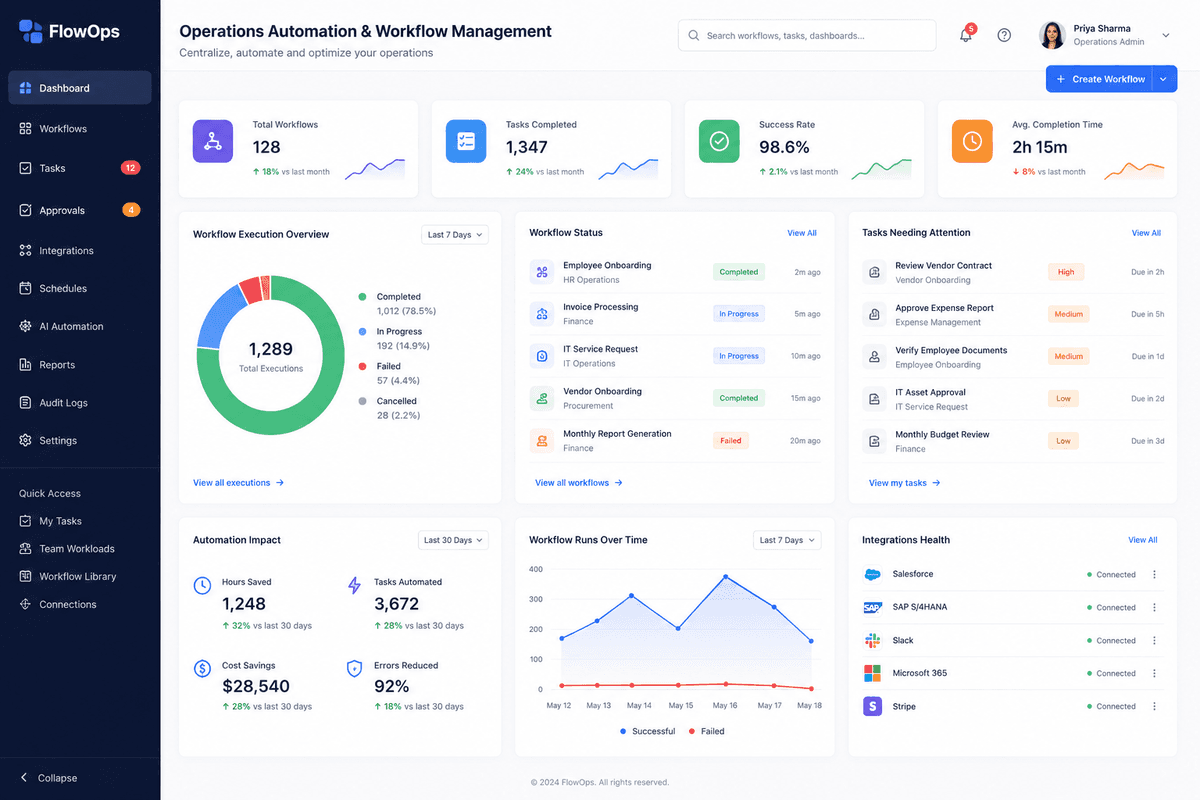
The platform was designed as a connected business ecosystem where members, group leaders and administrators can work through role-specific interfaces powered by the same centralized member and activity data.
Feature Architecture
A modular architecture keeps member profiles, networking, groups, referrals, events and administration independently manageable while exposing clean APIs between core services.
The member data model captures professional identity, expertise, interests and networking preferences so search and discovery can surface more relevant connections.
Community activity is organized around structured groups, referrals and events, giving members repeatable ways to participate instead of relying on one-off introductions.
Member, group-leader and administrator experiences are connected through shared data while maintaining clear permissions and role-specific workflows.
Product Essentials
The platform modules work together to create a connected networking experience for members while giving administrators the tools needed to operate and grow the community.
Rich member profiles and discovery
Rich member profiles and discovery
Members can create professional profiles that capture their business, expertise, interests, location and networking goals. A structured profile gives the community useful context before a conversation begins.
A searchable member directory makes it easier to discover relevant professionals, partners and potential referral connections without relying on manual introductions.
Looking to build your own networking platform?
Connect with our product engineering experts. We help organizations turn member management, networking, events and community operations into one scalable digital platform.
Development in Detail
Member discovery engine
We structured member data around professional identity, expertise, business interests and networking goals so discovery could move beyond a basic directory. Search and filtering help members surface relevant people and opportunities faster.
Connection workflows
The networking layer supports a clear journey from discovering a member to initiating a connection and continuing the conversation. The experience is designed to preserve context so introductions feel intentional rather than random.
Community operations
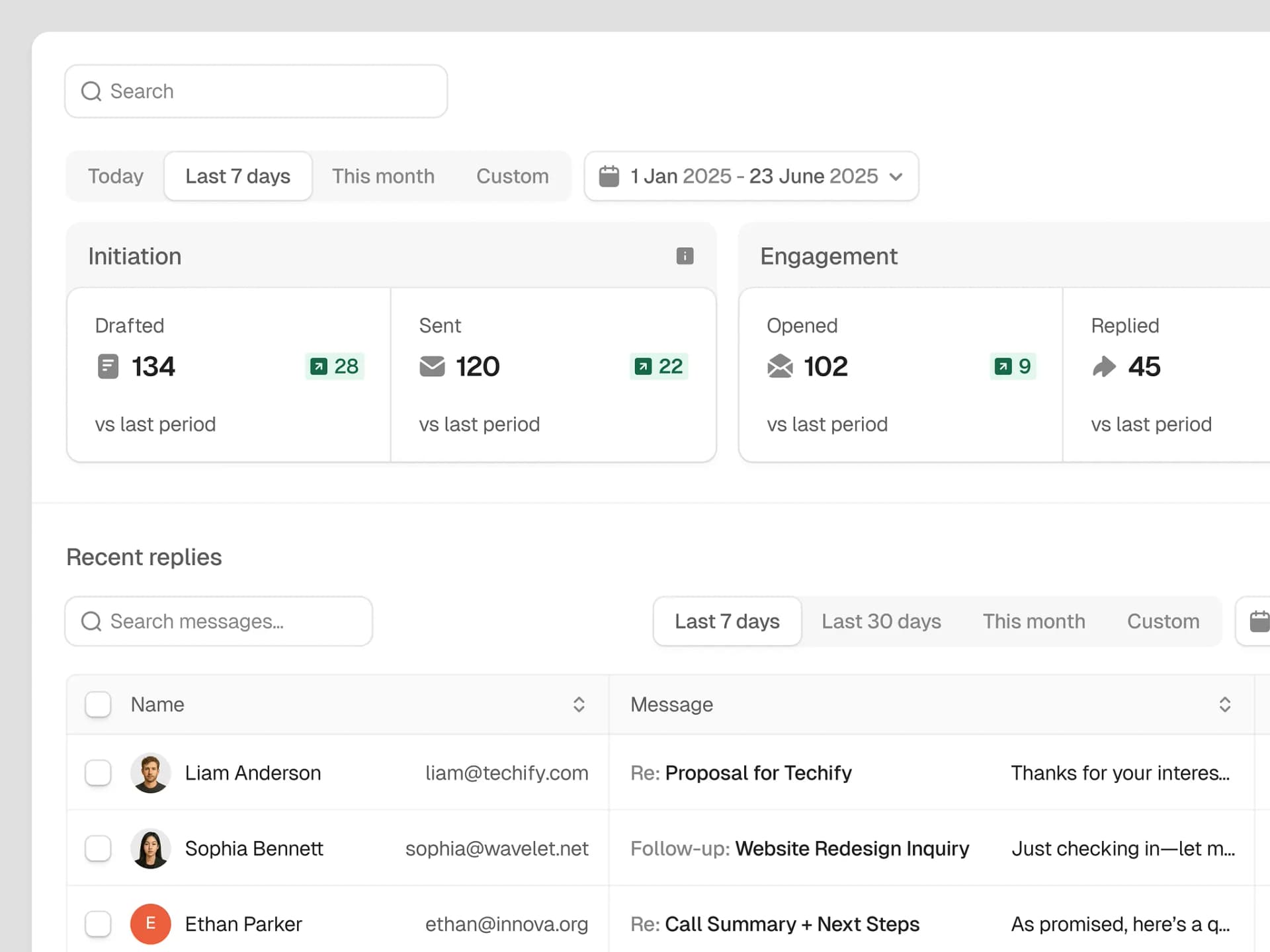
A centralized administration layer brings member verification, group management, event coordination, referrals and engagement activity into one operational workflow. This reduces repetitive coordination and gives organizers a consistent view of the community.
Engagement and scalability
The platform is structured as a modular product so new networking programs, groups, events and engagement features can be introduced without rebuilding the core member experience. Analytics and activity signals provide a foundation for continuous improvement.
Technology Stack
A modern technology stack selected for performance, reliability, maintainability and the ability to scale as the platform and its user base continue to grow.
Frontend
Backend
Mobile
Infrastructure
Results Obtained
The new platform created a more connected operating model for the community.
One connected member ecosystem
Profiles, discovery, groups, referrals, events and community activity are brought together in one experience, giving members a consistent place to build and maintain professional relationships.
Less administrative overhead
Structured workflows replace manual coordination across member onboarding, group activity, referrals and events, allowing community teams to spend more time creating value for members.
Networking that scales
The product provides a stronger foundation for member growth by making people easier to discover, opportunities easier to share and engagement easier to measure.