.png)
SAT & ACT Institute
An adaptive test-prep platform that helps students master the SAT and ACT through personalized diagnostics, live tutoring and AI-driven practice.
About a Project
SAT & ACT Institute is a US-based prep academy serving high-school students preparing for college admissions. They partnered with us to replace a manual, PDF-driven workflow with a modern adaptive learning platform used by students, tutors and parents every day.
Project idea
Build a single web + mobile platform for full-length SAT and ACT prep.
Replace a fragmented mix of PDFs, spreadsheets and Zoom calls with one adaptive learning experience.
Give tutors real-time visibility into every student's progress, weak areas and mock-test history.
Solutions we've delivered
Discovery, information architecture and UX audit of the legacy product.
End-to-end design system, student portal, tutor dashboard and parent portal.
Adaptive test engine, timed section simulator and detailed score analytics.
Native iOS & Android apps for offline practice, plus a headless CMS for content ops.
Stripe-based billing, cohort management and role-based access control.
Results
+38% average score-lift after 12 weeks compared to the previous curriculum.
3.4× increase in daily active students in the first quarter post-launch.
62% reduction in tutor admin time thanks to auto-graded diagnostics.
4.8★ average rating across App Store and Google Play in the first 90 days.
Business Challenges
Before the rebuild, the institute's growth was limited by manual operations and a learning experience that could not adapt to individual students. The client needed a scalable digital platform that could simplify academic operations, improve student engagement and support future expansion.
Legacy prep material lived in disconnected PDFs and Google Sheets, making it impossible to personalize practice or measure real progress.
Students needed a distraction-free, section-timed test environment that behaved identically to the real SAT and ACT — on both desktop and mobile.
Tutors were spending 40%+ of their week on manual grading and status updates instead of teaching.
The institute wanted to scale from 400 students to 5,000+ without linearly growing headcount, which required a serious adaptive engine.
Project in Details
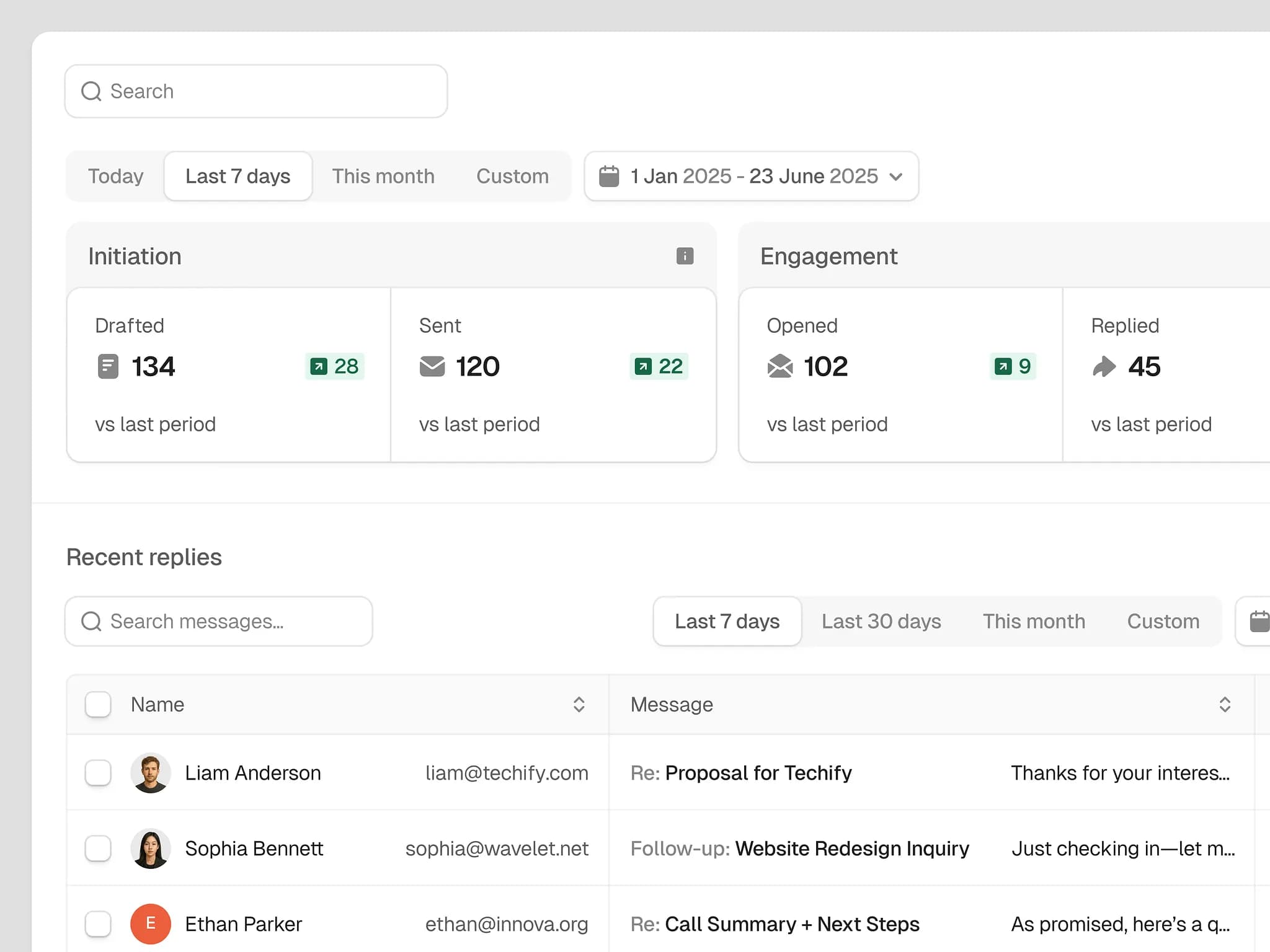
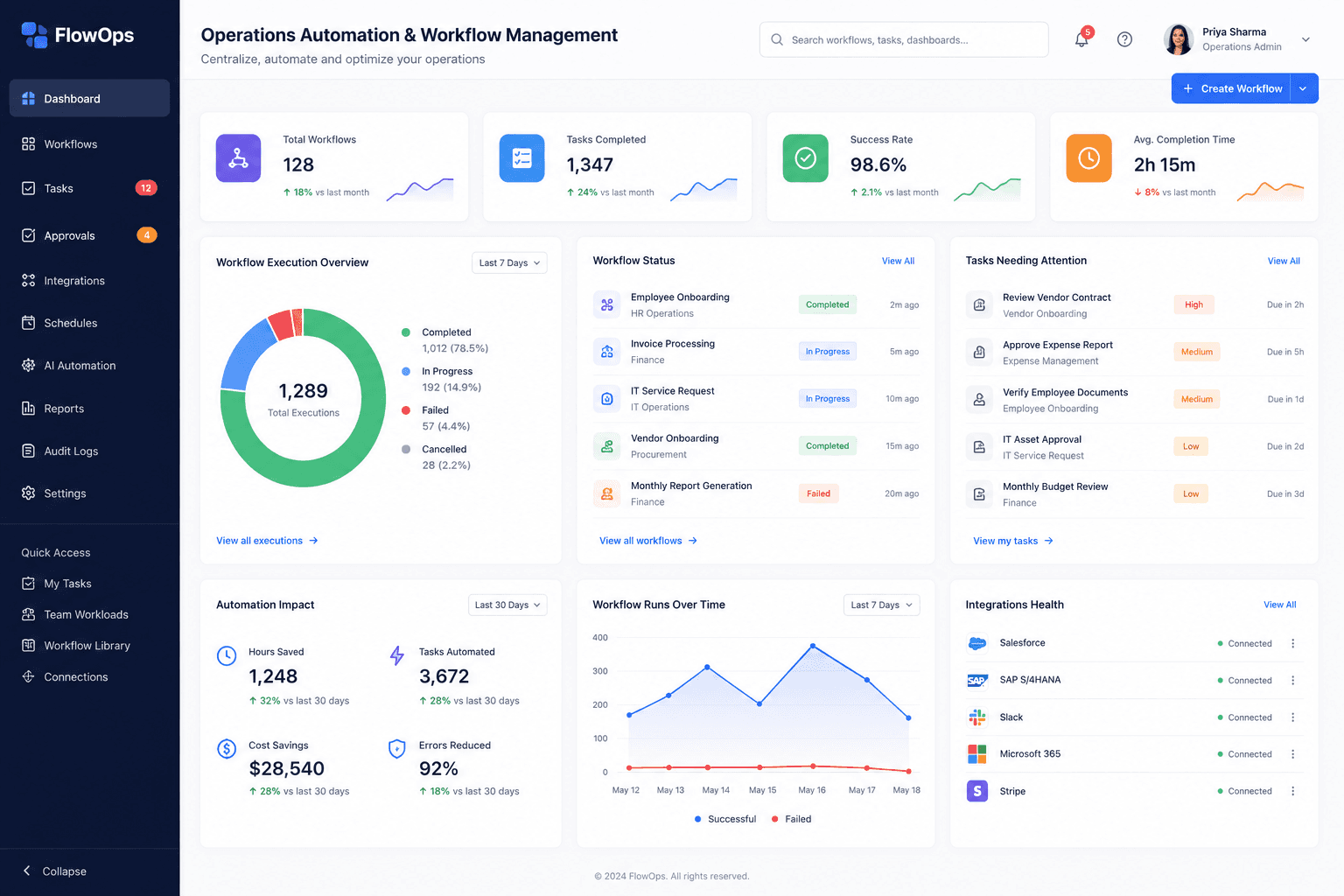
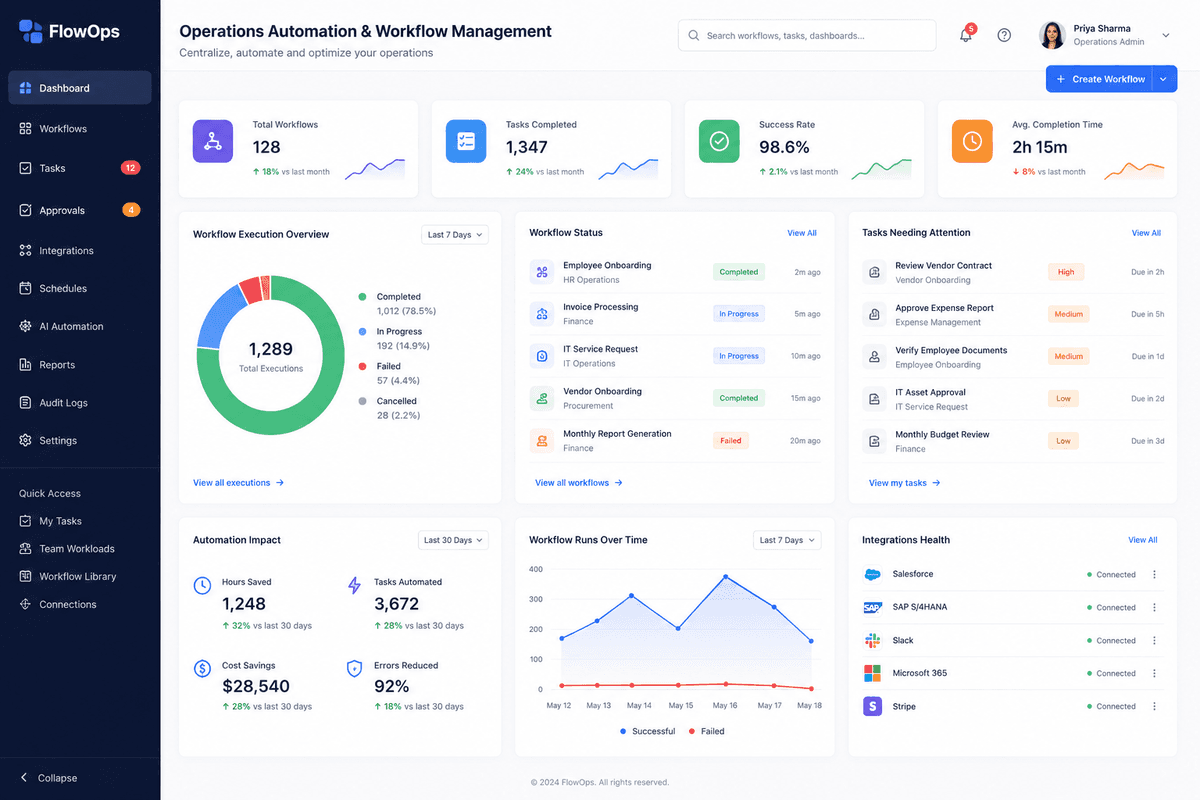
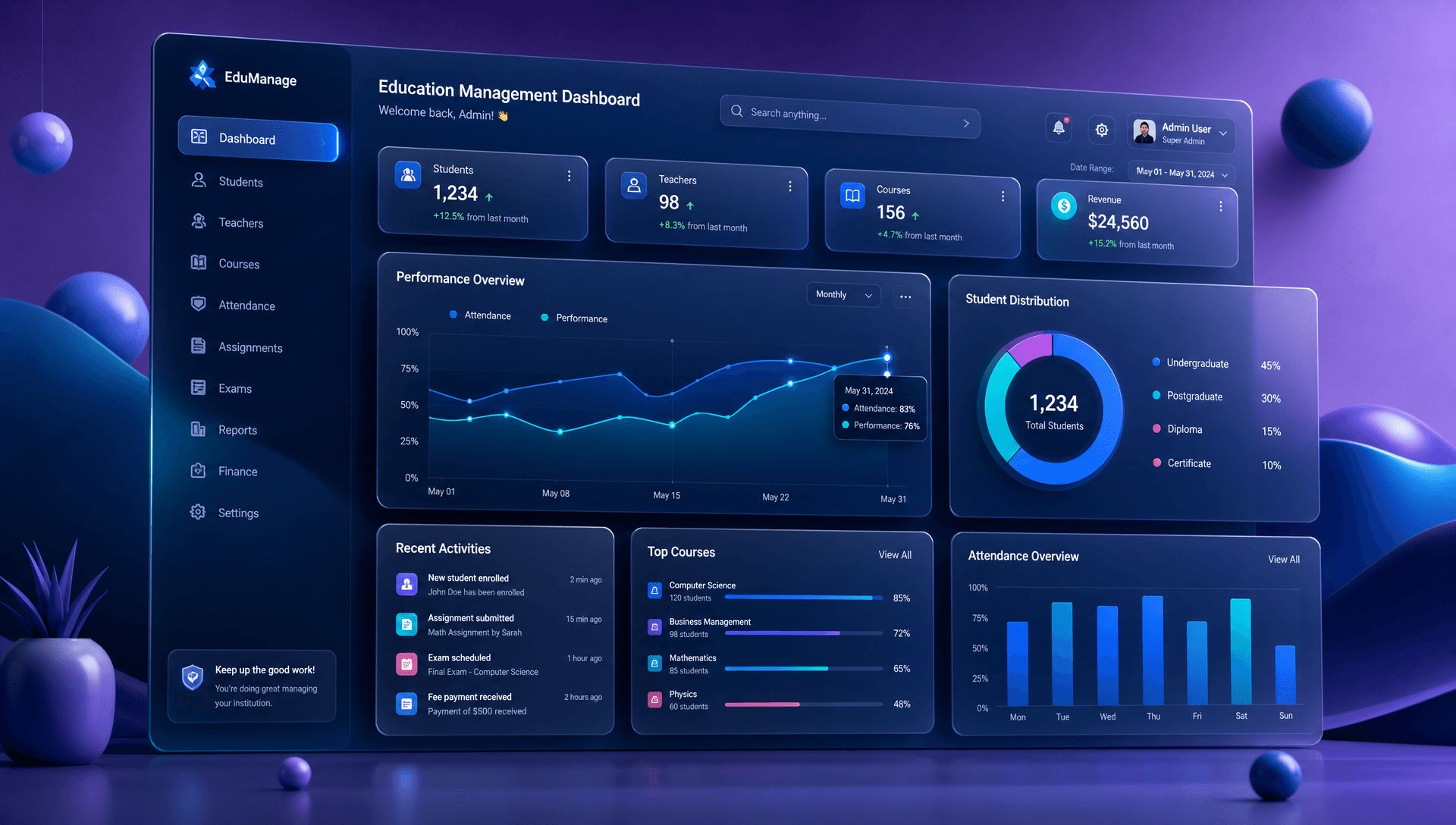
The platform was designed as a connected learning ecosystem where students, tutors, parents and administrators can work through role-specific interfaces powered by the same centralized system.
Feature Architecture
A modular architecture keeps the student experience, tutor tooling and content operations independently deployable. Each module owns its data and exposes a clean API to the rest of the platform.
The adaptive engine sits at the center of the solution. Every diagnostic, drill and mock-test attempt updates a per-topic mastery model that is shared across the platform.
Native mobile applications use the same API infrastructure and cache lessons locally, allowing students to continue practising even with limited internet connectivity.
Student, tutor, parent and administration interfaces are connected through a shared data model while maintaining separate permissions and role-specific experiences.
Product Essentials
The platform modules work together to provide a smooth and connected learning experience for students, tutors, parents and administrators.
Personalized practice plans
Personalized practice plans
Students receive a structured daily learning plan based on their target score, previous test performance, completed lessons and weaker subject areas. The platform automatically adjusts upcoming practice as new results are recorded.
Full-length SAT and ACT simulations, topic-based drills and video explanations are connected within one learning flow. Students can move from diagnosis to focused practice without switching between separate tools.
Looking to build your own EdTech platform?
Connect with our EdTech experts. We help institutes transform student learning, assessment and academic operations into one scalable digital platform.
Development in Detail
Adaptive test engine
We built a lightweight IRT-style engine that re-scores mastery per topic after every attempt and generates the next drill in under 200 ms. It runs on serverless functions so cost scales with practice volume, not headcount.
Section-timed simulator
The simulator replicates the SAT and ACT down to per-section timing, break rules and question navigation. It works offline in the mobile apps and syncs attempts as soon as the device reconnects.
Analytics & score projection
A dedicated analytics service turns every attempt into a projected score band, weak-topic list and recommended next lesson. Tutors see the same numbers as students, so coaching conversations are grounded in the same data.
Content operations
A headless CMS lets subject-matter experts add questions, tag them by skill and ship translations without a developer in the loop. Every change is versioned and A/B-testable.
Technology Stack
A modern technology stack selected for performance, reliability, maintainability and the ability to scale as the platform and its user base continue to grow.
Frontend
Backend
Mobile
Infrastructure
Results Obtained
Twelve weeks after launch, the numbers spoke for themselves.
Higher scores, faster
Students following the adaptive plan for 12+ weeks averaged a 38% score-lift versus the legacy curriculum, with the biggest gains on ACT Math and SAT Reading.
Tutors freed to teach
Auto-graded diagnostics and cohort dashboards cut tutor admin time by 62%, letting the institute grow its student base without linear hiring.
A product parents trust
Weekly projection reports and transparent dashboards moved parent NPS from 41 to 74 in the first two quarters after launch.